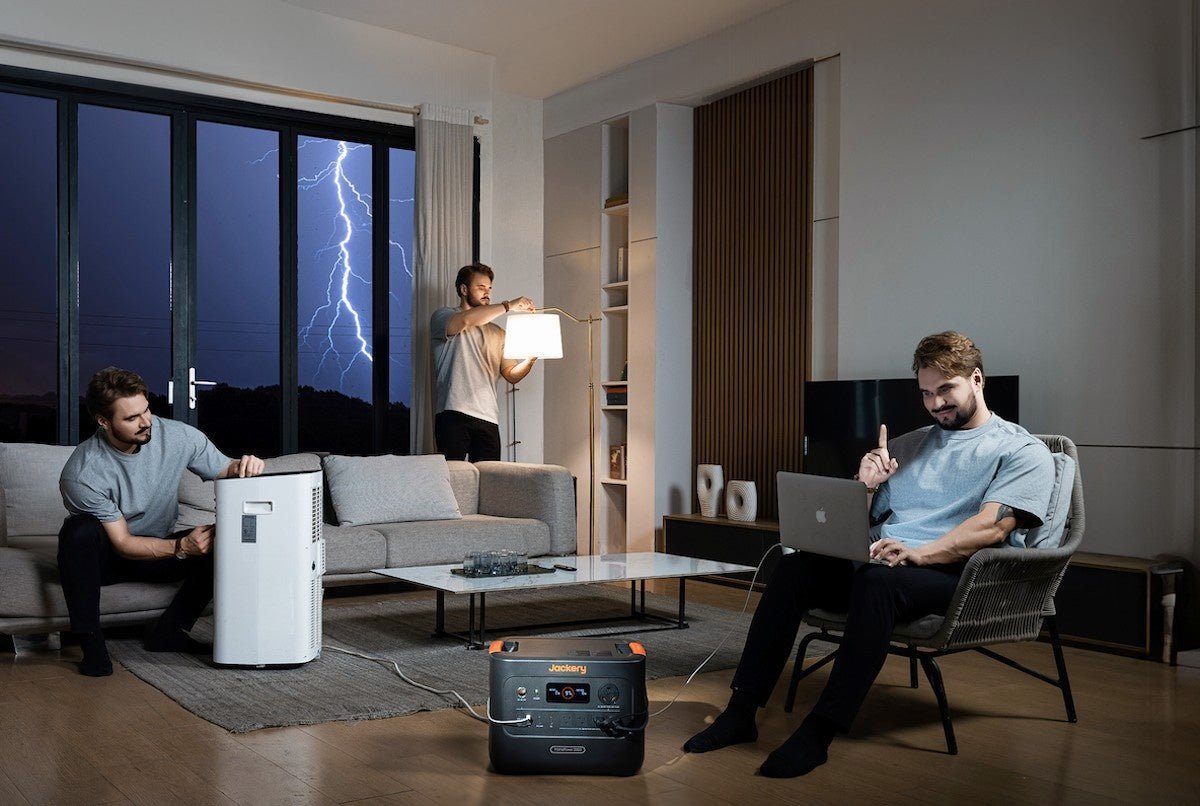



Fast Reply: The most effective emergency radio combines NOAA weather-alert reception with a number of energy choices, however its weak spot in a protracted outage is battery life — pairing it with a transportable energy station retains your radio and cellphone charged for days, guaranteeing you keep knowledgeable when cell networks fail.
- Why Does an Emergency Radio Matter When Cell Networks Fail?
- What Is the 3-3-3 Communication Protocol?
- What Radio Options Matter — and How you can Maintain Them Powered
- How you can Maintain Your Radio Operational Throughout Prolonged Outages
- How you can Maintain Each Residence and Transportable Radios Powered
- Limitations / What to Know Earlier than
- Finest Transportable Energy Stations for Emergency Radio Backup
- Regularly Requested Questions (FAQ)
Key Takeaways:
- NOAA climate radios with SAME know-how are the one gadgets that routinely set off alarms for tornadoes, flash floods, and different extreme threats in your particular county, even when you sleep. (NOAA Climate Radio All Hazards)
- The three-3-3 rule — monitoring Channel 3 for 3 minutes each 3 hours — helps coordinate communication with others when cell service is unavailable.
- A transportable energy station extends an emergency radio’s operational time from hours to days, particularly vital for radios missing photo voltaic or hand-crank choices. (FEMA Energy Outages)
- Most transportable radios can not transmit — they’re receivers solely; for two-way communication, you want a separate FRS, GMRS, or beginner radio.
Why Does an Emergency Radio Matter When Cell Networks Fail?
Mobile networks sometimes fail throughout the first hours of a serious hurricane or earthquake, however radio towers and AM/FM stations with backup turbines proceed broadcasting for days or perhaps weeks, offering evacuation routes, shelter areas, and real-time updates that textual content alerts can not match. This infrastructure hole is why a devoted radio belongs in each emergency package.
Transportable radios with SAME know-how filter alerts by your county code, eliminating false alarms from distant storms and stopping alarm fatigue — the tendency to disregard warnings once they always set off for storms that by no means attain you.
A two-radio technique offers redundant protection. Maintain one devoted NOAA unit at dwelling for in a single day alerts and pack one compact AM/FM mannequin in your go-bag. If one fails or runs out of energy, the opposite retains you related.
Storing a radio in a metallic cupboard or deep basement can block NOAA alert alerts completely. The 162.400–162.550 MHz frequencies utilized by NOAA Climate Radio depend on line-of-sight transmission, and metallic enclosures act as Faraday cages, blocking the sign if you want it most.
What Is the 3-3-3 Communication Protocol?
The three-3-3 rule is a battery-saving check-in plan: monitor Channel 3 for 3 minutes, each 3 hours, utilizing FRS, GMRS, or CB radios when cell towers are down. This protocol originated in emergency preparedness communities as a easy, memorable method to coordinate with out draining batteries.
Commonplace check-in instances are 12:00, 3:00, 6:00, and 9:00 — whether or not AM or PM. These mounted home windows allow households and teams to coordinate with out requiring steady monitoring.
Channel 3 on FRS/GMRS radios is the agreed emergency calling frequency. This conference emerged as a result of Channel 3 sits in a generally out there band on practically all shopper radios. Nevertheless, this protocol doesn’t translate on to beginner radio’s non-channelized bands, the place operators use particular frequencies relatively than channel numbers.
The three-3-3 plan interoperates with the hourly 1-2-3 plan at three-hour intervals. The 1-2-3 plan — monitoring for 1 minute each hour on the high of the hour — offers teams flexibility if somebody misses a scheduled 3-3-3 window. At 12:00, 3:00, 6:00, and 9:00, each protocols align.
Actual-world challenges embrace:
- Remembering the schedule below stress — when a twister warning sounds at 2:47 AM, checking at 3:00 AM will not be instinctive. Tape a laminated schedule card to your radio as a reminder.
- Three-hourly self-discipline in lively area operations — this protocol works finest for stationary teams, not cell search-and-rescue groups.
What Radio Options Matter — and How you can Maintain Them Powered
NOAA climate alert reception with SAME know-how is non-negotiable. It routinely prompts an audible alarm for tornadoes, flash floods, and extreme thunderstorms in your county. With out this function, your radio is only a receiver — it will not wake you when a twister touches down at 3 AM. (NOAA Climate Radio All Hazards)
A number of unbiased energy sources make sure the radio works no matter grid standing. The most effective emergency radio gives at the very least 3 ways to energy it:
- Hand crank: guide backup for emergencies
- Photo voltaic panel: built-in photovoltaic charging
- Replaceable AA or C-cell batteries: immediately swappable long-term storage
- USB-C enter: trendy recharging from any appropriate supply
Redundancy issues as a result of any single energy supply can fail if you want it most.
AM/FM reception stays vital. Native stations present hyper-local info, evacuation routes, and shelter areas that NOAA broadcasts could not cowl. A NOAA broadcast tells you a twister warning exists; an area AM station tells you which ones roads are flooded and the place the Crimson Cross arrange a shelter.
A USB output port for charging telephones transforms the radio right into a backup energy financial institution. When a lifeless cellphone means shedding entry to maps and emergency contacts, this function turns into very important. Nevertheless, count on restricted charging capability — most radios present solely 1–2 cellphone expenses earlier than their inside battery depletes.
Rugged construct with water resistance and a flashlight ensures the radio survives drops, rain, and darkish circumstances. Search for IPX4 water resistance at minimal. The flashlight ought to present at the very least 20 lumens — sufficient to navigate a darkish hallway, not illuminate a soccer area.
How you can Maintain Your Radio Operational Throughout Prolonged Outages
Hand-crank turbines present emergency energy however demand vital effort. Most require 60–90 seconds of cranking for less than 10–quarter-hour of radio use, making hand-cranking impractical for steady monitoring throughout a multi-day outage.
Photo voltaic panels on compact radios are sometimes too small to take care of a full cost. Typical built-in panels ship 2–5 watts below superb circumstances.
In direct summer season daylight, which may prolong battery life by a couple of hours. On a cloudy winter day, it contributes virtually nothing. Place the radio in direct solar, however do not count on miracles from a panel the dimensions of a bank card.
Replaceable AA or C-cell batteries are essentially the most dependable backup. Alkaline batteries retailer for 5–10 years and swap immediately with out ready for recharging. Maintain a sealed pack of 8–12 batteries in your emergency package, and exchange them each 12 months to forestall leakage. Lithium AA batteries final even longer in storage and carry out higher in chilly temperatures.
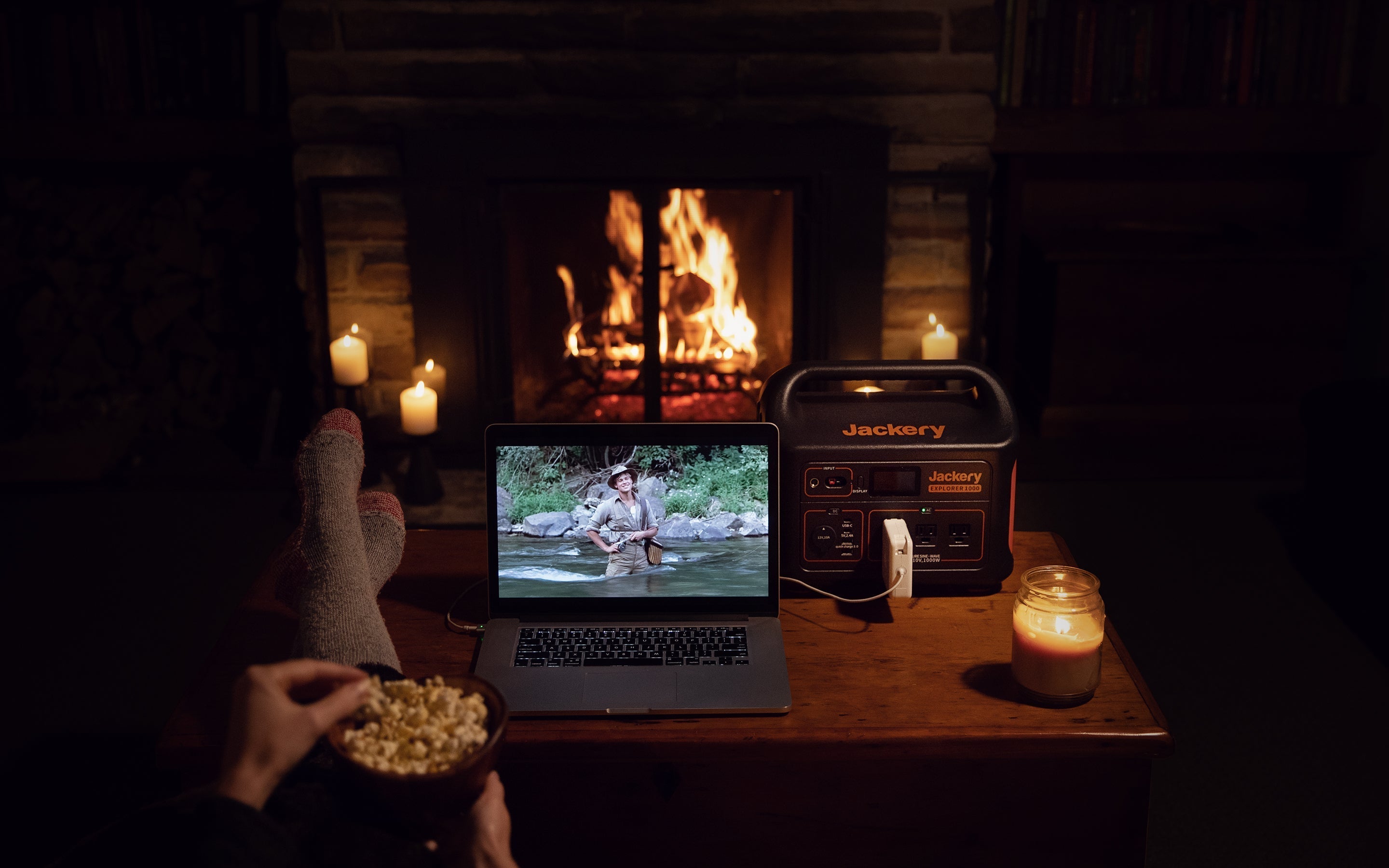
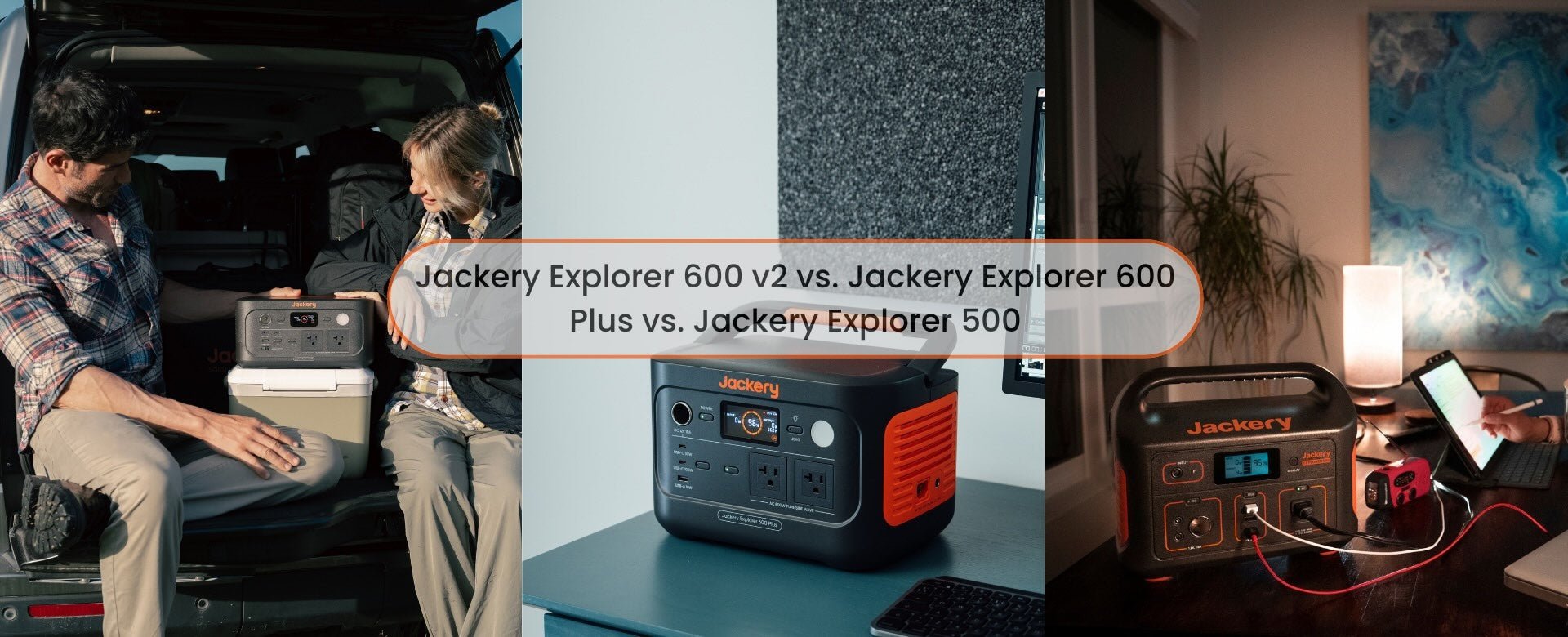
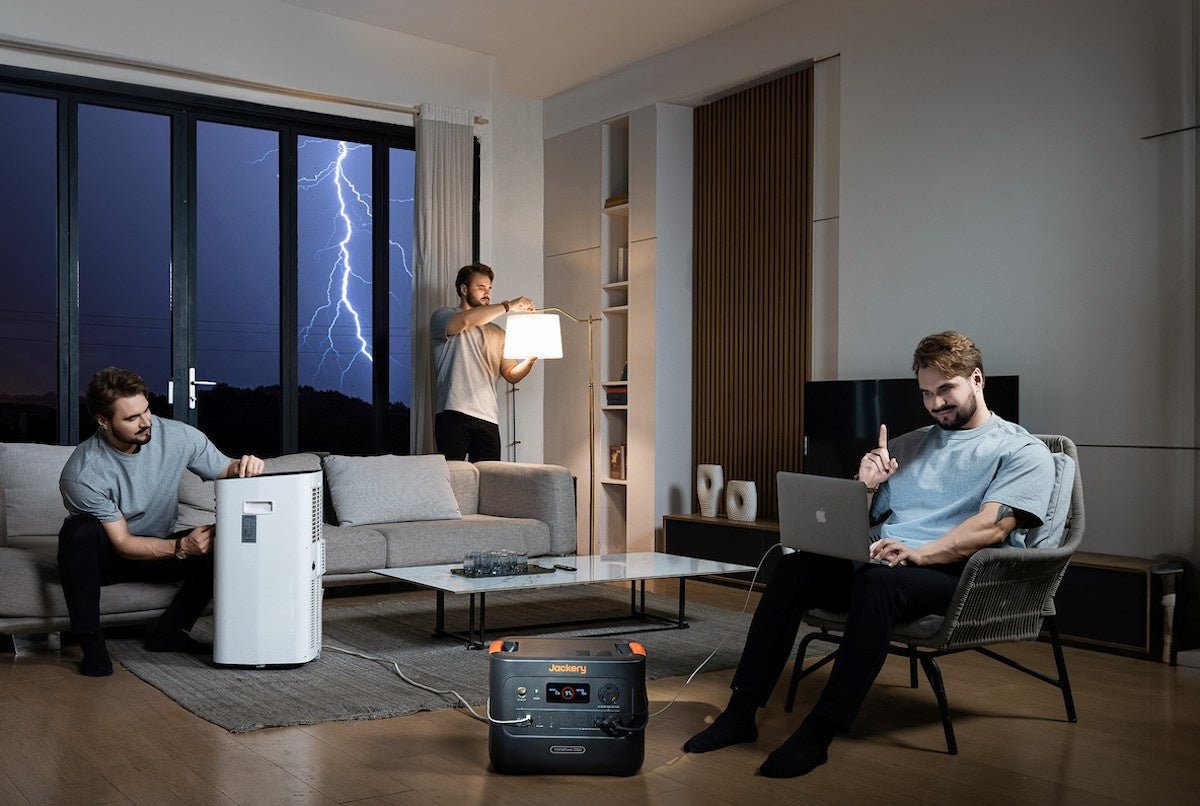
A transportable energy station solves the endurance drawback completely. Connecting a radio by way of USB-C offers days of steady monitoring, far exceeding built-in battery life. (FEMA Energy Outages) For multi-day outages, that is the distinction between staying knowledgeable and shedding contact. A unit just like the Jackery Explorer 600 v2 can energy a typical emergency radio for a whole lot of hours on a single cost.
Lithium-ion batteries lose cost over winter storage. Examine your radio’s battery degree each 3–6 months and recharge or exchange earlier than storm season begins. Set a calendar reminder for March and September — the beginning of spring twister season and peak Atlantic hurricane season, respectively.
How you can Maintain Each Residence and Transportable Radios Powered
For dwelling: A desktop NOAA radio with AC energy and battery backup offers an 85–90 dB alarm (akin to a smoke detector) and brightly lit alert to wake you for in a single day twister warnings. For evacuation: Transportable hand-held radios slot in a go-bag, run on batteries or USB energy, and belt clips/headphone jacks enable hands-free monitoring.
A house radio’s AC connection eliminates battery worries till the grid fails, at which level its inside battery backup offers 4–8 hours of monitoring. For longer outages, a house backup energy system retains it working indefinitely.
Transportable fashions weigh below 1 pound and keep in a automobile emergency package year-round — seize the go-bag and go. Proudly owning each varieties offers redundancy: one plugged in at dwelling, one in every automobile package. A high quality transportable radio prices $30–60, lower than a tank of fuel.
Limitations / What to Know Earlier than
- Line-of-sight dependency: NOAA reception is line-of-sight — mountains or basements can block the sign; an exterior antenna above floor could also be obligatory.
- Hand-crank and photo voltaic are supplemental: These will not be main energy sources. They can’t absolutely recharge a depleted battery on their very own in any cheap timeframe. All the time maintain spare AA batteries in your emergency package — they’re essentially the most reliable backup energy supply for transportable radios.
- Cellphone alerts will not be a substitute: Wi-fi Emergency Alerts on telephones are inadequate — cell towers fail when overloaded or broken. A photo voltaic generator for dwelling backup can maintain telephones charged, however the cellphone could haven’t any sign. A devoted NOAA radio operates independently of mobile infrastructure.
- SAME programming required: SAME requires your county’s 6-digit FIPS code (discover it at climate.gov). With out it, the radio both ignores all alerts or triggers for each storm inside 200 miles — each defeats the aim.
Finest Transportable Energy Stations for Emergency Radio Backup
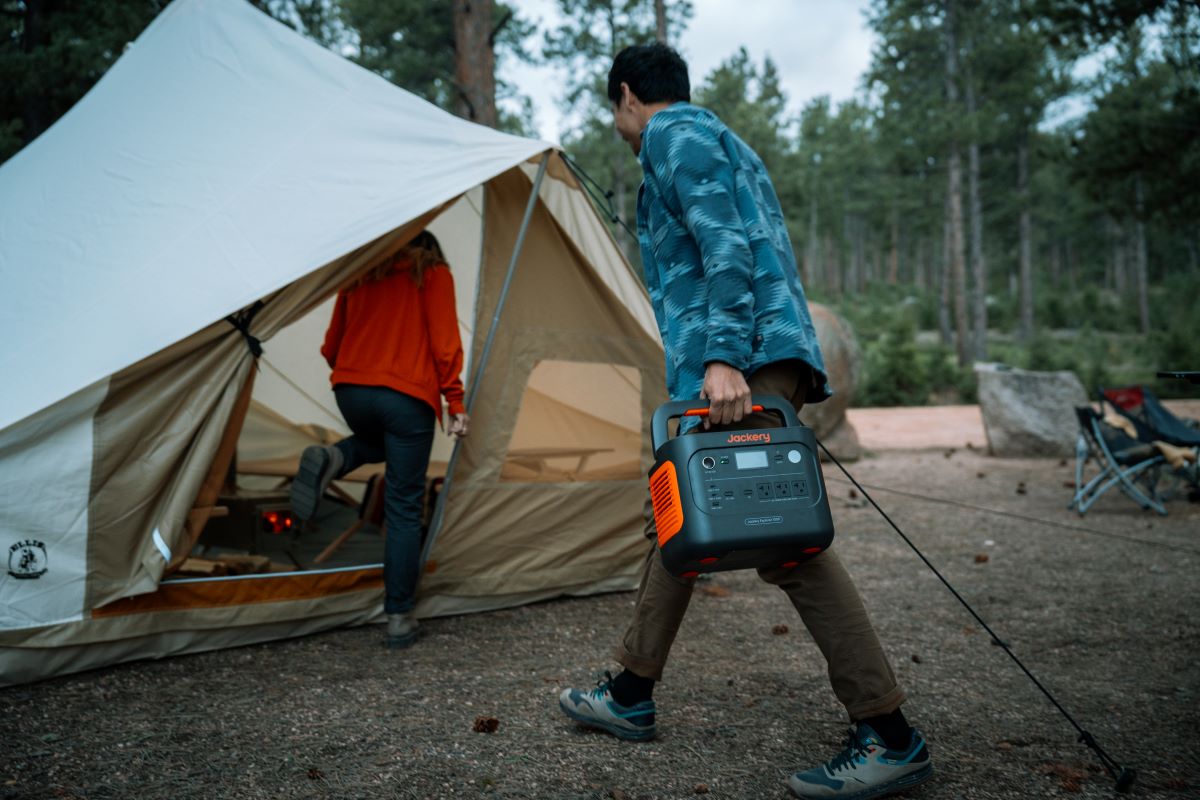
Pair your radio with a transportable energy station to increase monitoring from hours to days. Select a Jackery mannequin to your situation:
|
Your Scenario |
Finest Mannequin |
Why It Matches |
Key Specs |
|
Seize-and-go package, automobile glovebox, ultra-portable backup |
Explorer 100 Plus |
Compact and light-weight, matches anyplace; USB-C output expenses radios and telephones with zero bulk |
< 2 lbs, USB-C solely, LiFePO4 |
|
Devoted dwelling communications, need days of radio + cellphone charging |
Explorer 600 v2 |
Powers radio for a whole lot of hours and recharges a cellphone 21 instances; sufficient to maintain a LED lamp working too |
640Wh, 500W (1000W surge), 14.1 lbs, LiFePO4 6,000+ cycles, emergency tremendous cost in 1 hour by way of AC |
|
Energy radio, cellphone, and small fridge concurrently — keep each communication and meals security |
Explorer 1000 v2 |
Runs radio and a small fridge on the identical time; bigger capability for vital hundreds throughout prolonged outages |
1070Wh, 1500W (3000W surge), 23.8 lbs, LiFePO4 |
All use LiFePO4 chemistry for hundreds of cycles and include USB-C output that straight powers most trendy emergency radios.
For a deeper take a look at battery backup choices, finest battery backup turbines compares capacities and use circumstances throughout the Jackery lineup. For those who’re constructing a complete emergency energy plan, photo voltaic emergency generator programs clarify how one can pair transportable energy stations with photo voltaic panels for indefinite off-grid operation.
Regularly Requested Questions (FAQ)
How typically ought to I take a look at my emergency radio?
Check your radio month-to-month by working the self-test perform and verifying the alert alarm sounds clearly. Schedule it for the primary Saturday of every month — many NOAA stations broadcast a weekly take a look at each Wednesday between 10 AM and midday, however a month-to-month examine catches battery drain earlier than it turns into vital.
Can I take advantage of a scanner as a substitute of a climate radio?
No, scanners lack SAME know-how and automated alert activation for life-threatening climate warnings. A scanner permits you to take heed to climate frequencies, however it will not wake you when a twister warning is issued to your county at 3 AM.
What occurs if I transfer to a brand new county?
You have to reprogram the radio together with your new county’s 6-digit FIPS code to obtain native alerts. Discover your new code at climate.gov — enter your county title within the search bar, and the FIPS code seems within the county info web page.
Do emergency radios work with out batteries?
No, all emergency radios require some energy supply. Even AC-powered fashions want battery backup for outages — a desktop NOAA radio plugged into wall energy turns into ineffective the second the grid fails except it has inside batteries put in.
How do I retailer batteries for long-term emergencies?
Retailer alkaline batteries in a cool, dry place and exchange them each 12 months to forestall leakage. Maintain them of their authentic packaging till wanted — unfastened batteries in a drawer can short-circuit towards metallic objects and create a fireplace hazard.