



Seven nights, eight smart rings and a chest strap as the referee. Five rings recorded my night heart rate reliably and earn a recommendation. Three think I’m running up the stairs in my sleep — I wouldn’t buy those.
- 📌 Heart rate is the foundation of sleep, HRV and your morning score
- 🥼 How I tested (quickly, I promise)
- ⏱️ How often do rings “take a snapshot” at night?
- ❌ DON’T BUY: three rings that miss the mark at night
- ✅ BUY: five rings that nailed the night
- 🤯 Measuring more often doesn’t mean measuring better
- 🔄 Is this the final verdict? Nope.
- 🧠 What to take away if you already own a ring
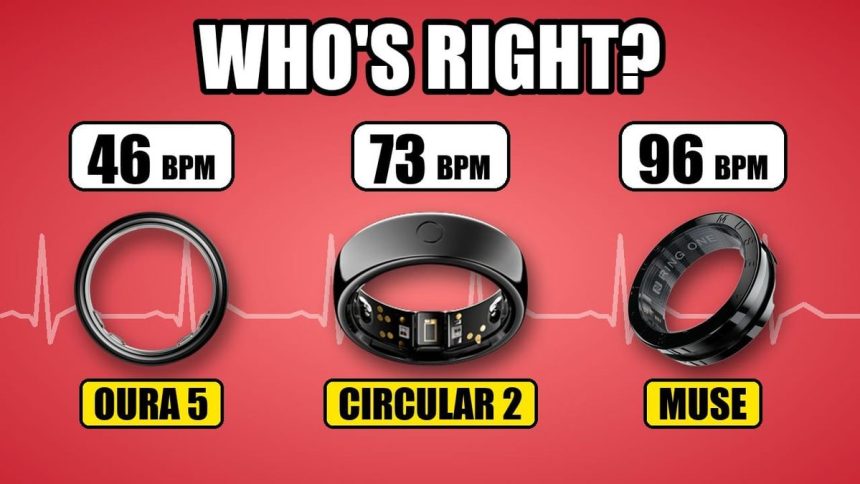
It’s 12:54 a.m. and I’m fast asleep. My Oura says my heart is beating 46 times a minute. At the exact same moment, the Circular Ring 2 says 73. And the Muse Ring One? 96 — as if I were power-walking up the stairs.
So which one is telling the truth? There’s only one way to find out: a proper reference.
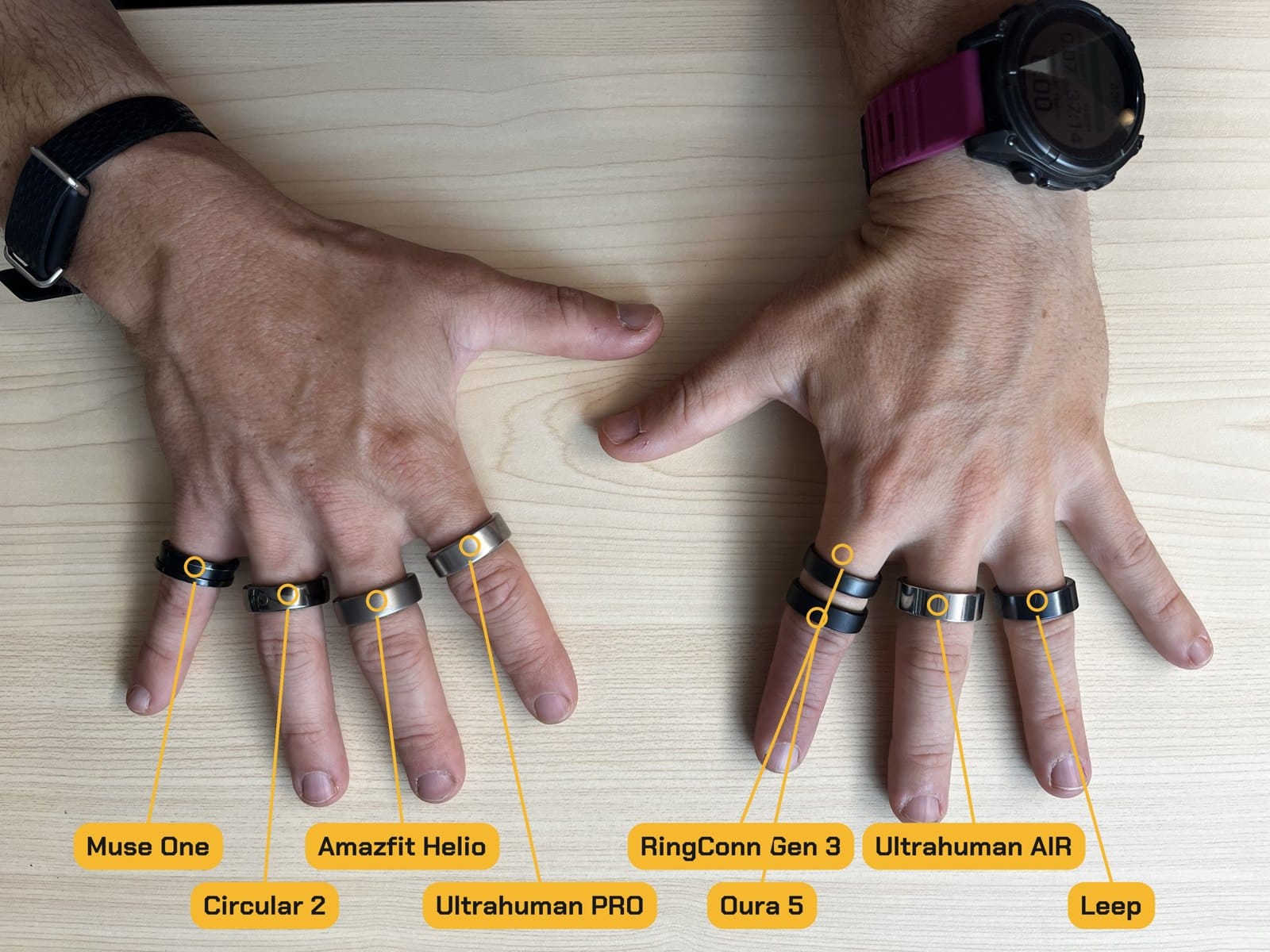
There are so many smart rings out there right now that even I struggle to keep track — and I’m literally the Lord of the Smart Rings. So I decided to find out which ones are actually worth your money. For seven nights I slept with eight smart rings (yes, I’m officially running out of fingers) plus a chest strap as the referee (not exactly comfy, would not recommend), and sorted them into two groups:
The ones that can and the ones that can’t measure the most basic thing of all: how fast my heart beats at night.
Along the way, we’ll hit two surprises. When the “bad” rings get it right, they’re almost as accurate as the good ones — something else trips them up. And the ring that logs your heart rate most often finished dead last.
Whether you’re shopping for a ring or already wearing one, by the end you’ll know whether you can trust its night-time numbers. And at the very end, I’ll reveal who won the whole thing.
📌 Heart rate is the foundation of sleep, HRV and your morning score
Why night heart rate? Because it’s not just one number out of many. It’s the base of the pyramid — almost everything your smart ring (or any wearable, really) shows you in the morning is built on it:
The higher you go up the pyramid, the more estimates and the less certainty. And above all: an error at the base travels all the way to the top. If a ring is off by ten beats, how is it supposed to calculate trustworthy derived metrics and scores? And could errors like that even feed orthosomnia?
 LORDoftheSMARTRINGS

To be fair, measuring heart rate from your finger is tough for an optical sensor. The ring shines light into your skin and, from the light that bounces back, estimates how the blood volume in your vessels changes (photoplethysmography, or PPG). A bit of movement, a ring that’s loose or has slipped, or cold fingers — and the signal gets noisy, which leads to errors.
On the other hand, night is the easiest possible job for optics. I’m lying still, and my heart rate is slow and steady.
And that’s not just my gut feeling. Independent studies confirm that optical sensors measure resting heart rate reliably…
Studies
Fun fact: in that last study, Oura read on average 0.9 beats lower than the strap. In my test? 0.8. A study funded by the US Air Force and me in bed with eight rings — we landed on the same number.
How a smart ring’s heart rate accuracy differs between rest and activity, I covered here:
 LORDoftheSMARTRINGS
🥼 How I tested (quickly, I promise)
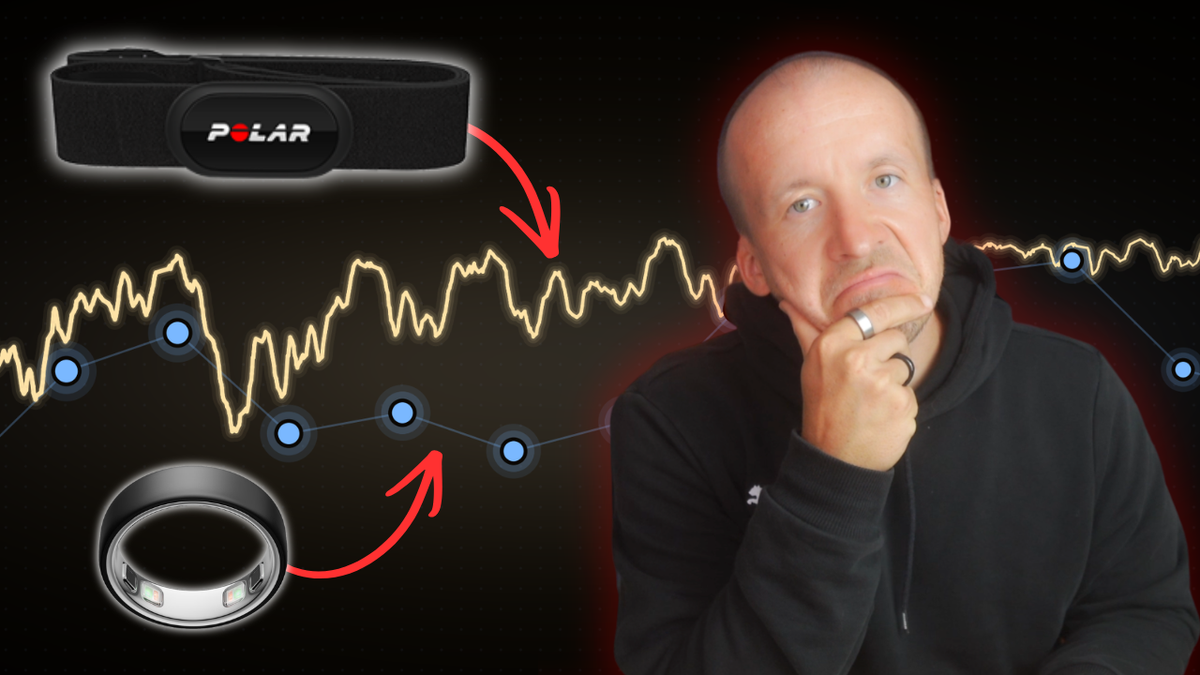
The referee was a Polar H10 chest strap. It doesn’t use light — it measures electrically (like an ECG) and catches every single heartbeat. Every night I paired it with my Garmin Fenix, which logged heart rate second by second, including the raw beat-to-beat (R-R) data.
I wore all the rings at the same time, for seven nights between October 9 and 17, 2026. And I pulled the data as close to the source as possible:
- Oura, Ultrahuman PRO and AIR straight from their APIs (the most detailed data these companies give you) — huge brownie points to both of them for being open with our data.
- Circular, Muse, Leep, RingConn and Amazfit Helio from an Apple Health export — exactly the numbers each ring’s app writes into Apple Health, which other apps then pull from.
⏱️ How often do rings “take a snapshot” at night?
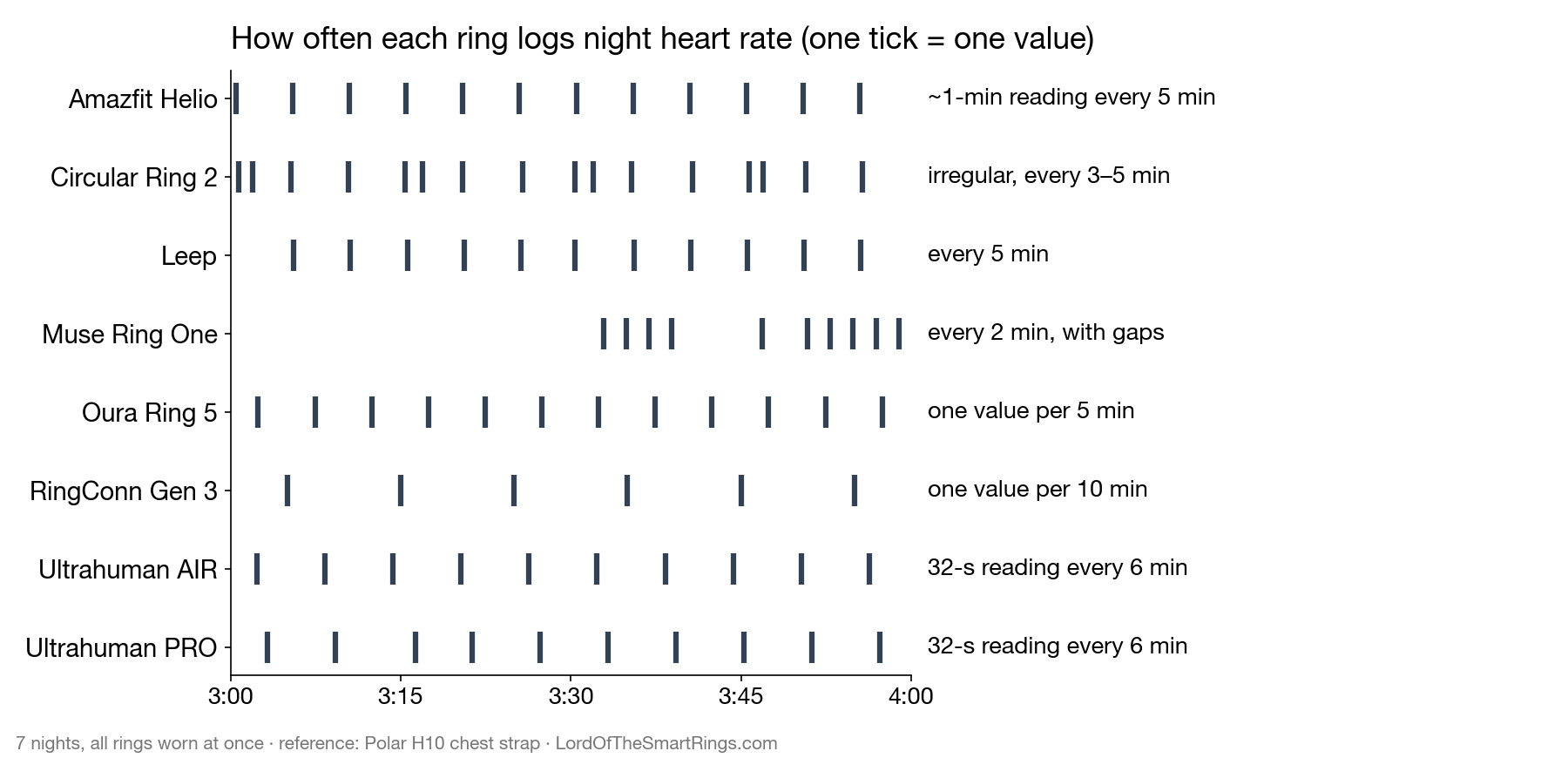
Rings only write your night heart rate into the app, API or Apple Health at certain intervals. How often the sensor actually fires up, most brands don’t say. Here’s what the data shows:
| Ring | How often it logs night heart rate | What we know about the value |
|---|---|---|
| Amazfit Helio | every 5 min (12× per hour) | reading lasts about 1 minute |
| Circular Ring 2 | irregular, every 3–5 min (13× per hour) | timestamp only, duration not stated |
| Leep | every 5 min (11× per hour) | timestamp only, duration not stated |
| Muse Ring One | every 2 min, but with long gaps (9× per hour on average) | timestamp only, duration not stated |
| Oura Ring 5 | every 5 min (12× per hour) | 5-minute value (probably an average) |
| RingConn Gen 3 | every 10 min (6× per hour) | each value covers 10 minutes |
| Ultrahuman PRO / AIR | every 6 min (10× per hour) | 32-second reading (per the manufacturer) |
Remember two rows in particular: Muse, which logs the most often, and RingConn, which logs the least. We’ll come back to them in a minute.
❌ DON’T BUY: three rings that miss the mark at night
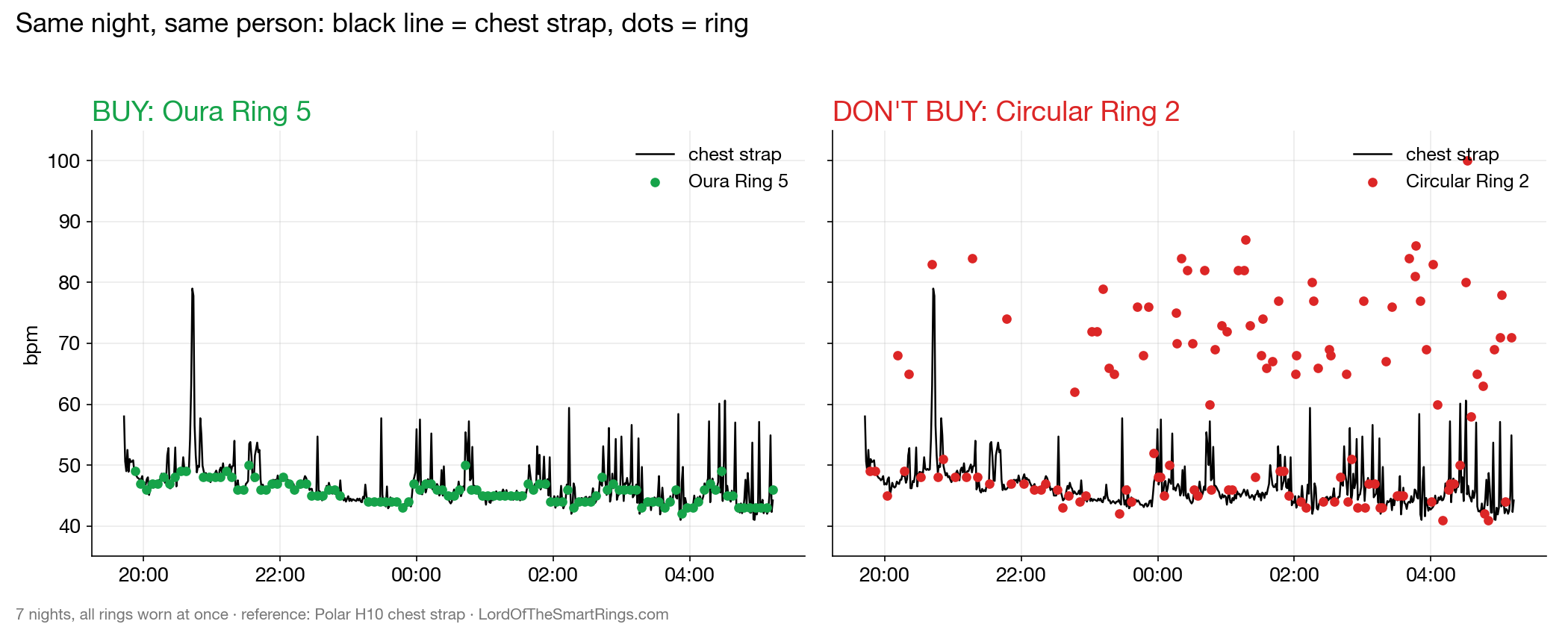
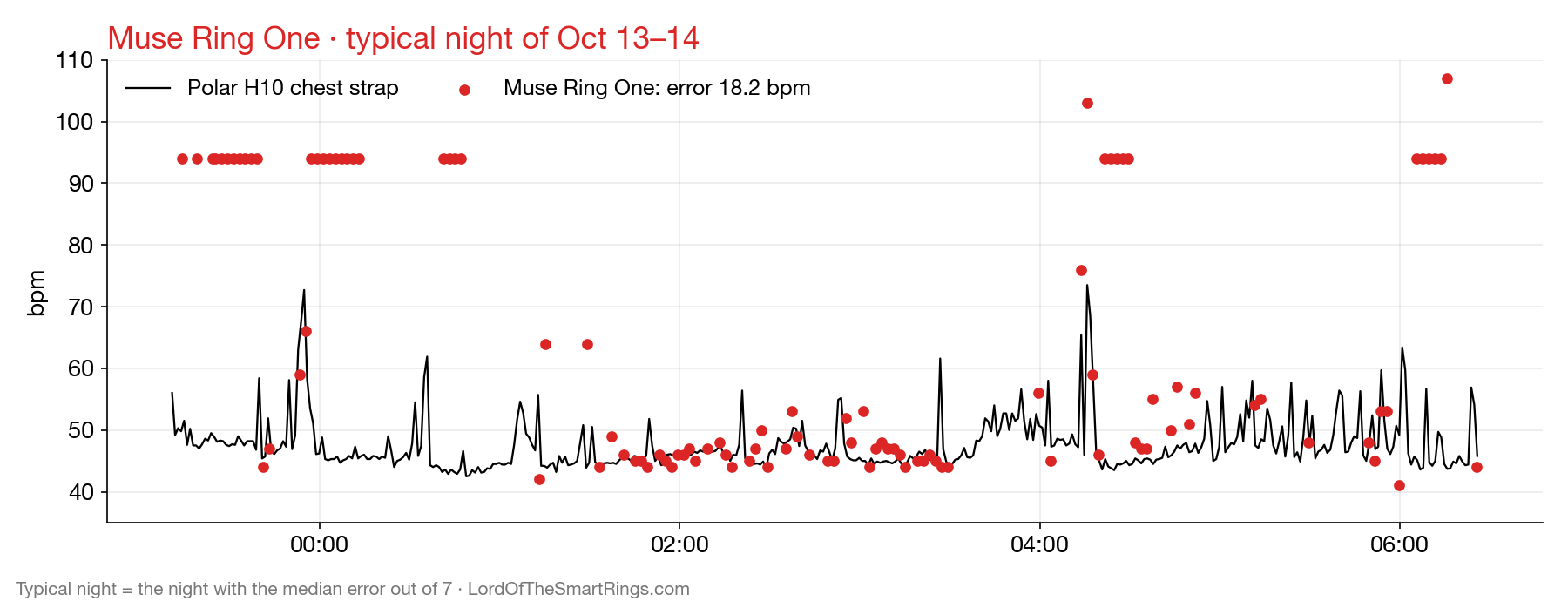
Look at the chart on the right. This isn’t a ring that just runs a little high. It looks like it’s occasionally measuring somebody else. I’m sleeping at 45 bpm, and in between, dots pop up at 70, 80, 90.
And here’s the first surprise I promised. When these rings get it right, they’re actually pretty accurate — the typical error for both Leep and Circular is around 2 beats. The problem isn’t that the sensor can’t measure. The problem is that the ring lets readings into your data that it should have thrown away. Good rings recognize a bad signal and simply don’t log it. These ones log it — and act like everything’s fine.
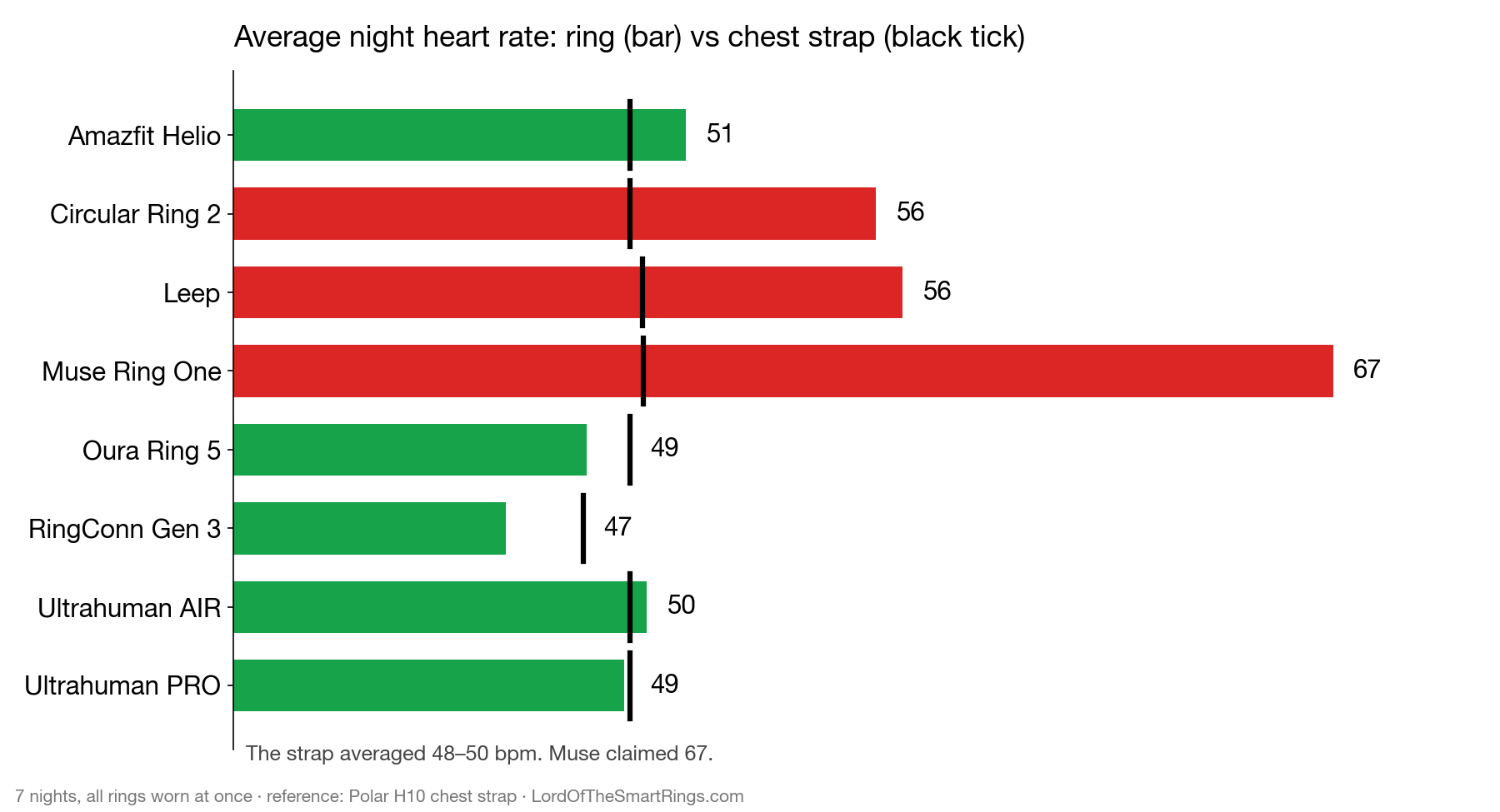
Circular Ring 2: 28% of night readings are more than 10 beats above the strap. The nightly average came out 2.5 to 12.7 beats too high. And for October 14 and 15, it wrote a resting heart rate of 68 and 69 into Apple Health, while the strap’s lowest five-minute average on those nights was 43. (I already called it the most controversial smart ring when I unboxed it.)
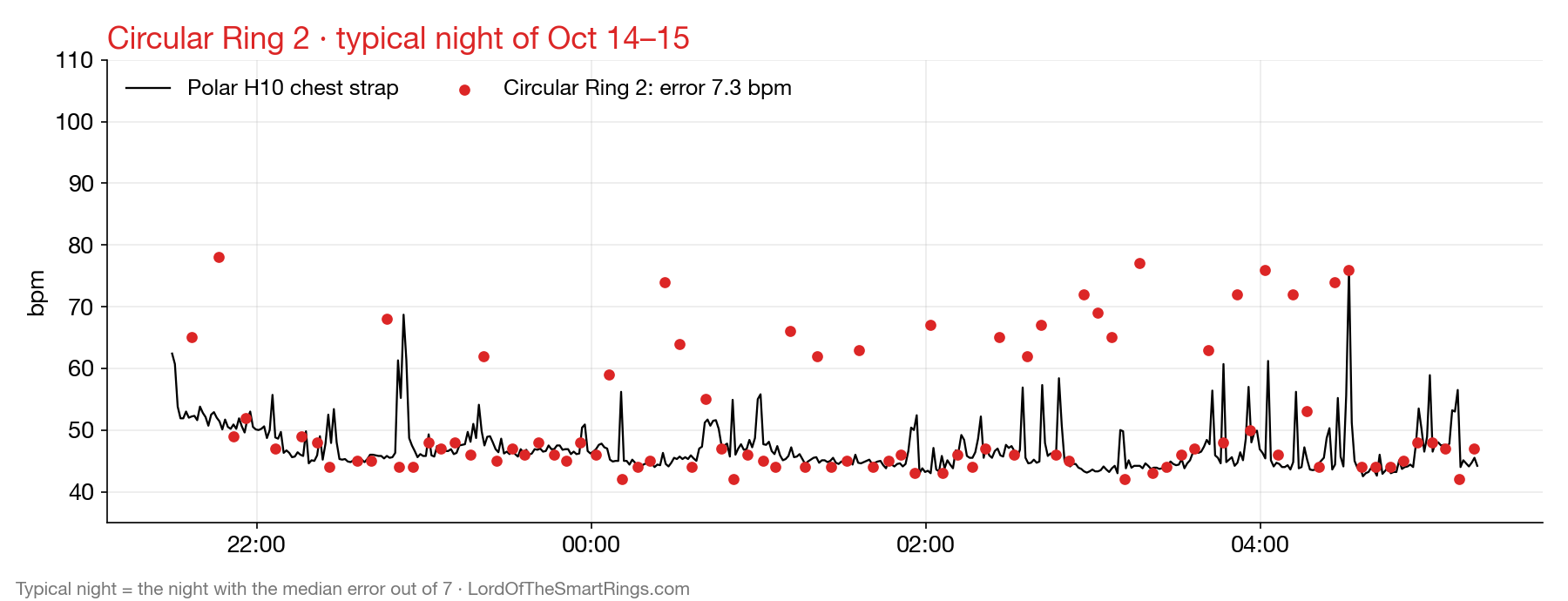
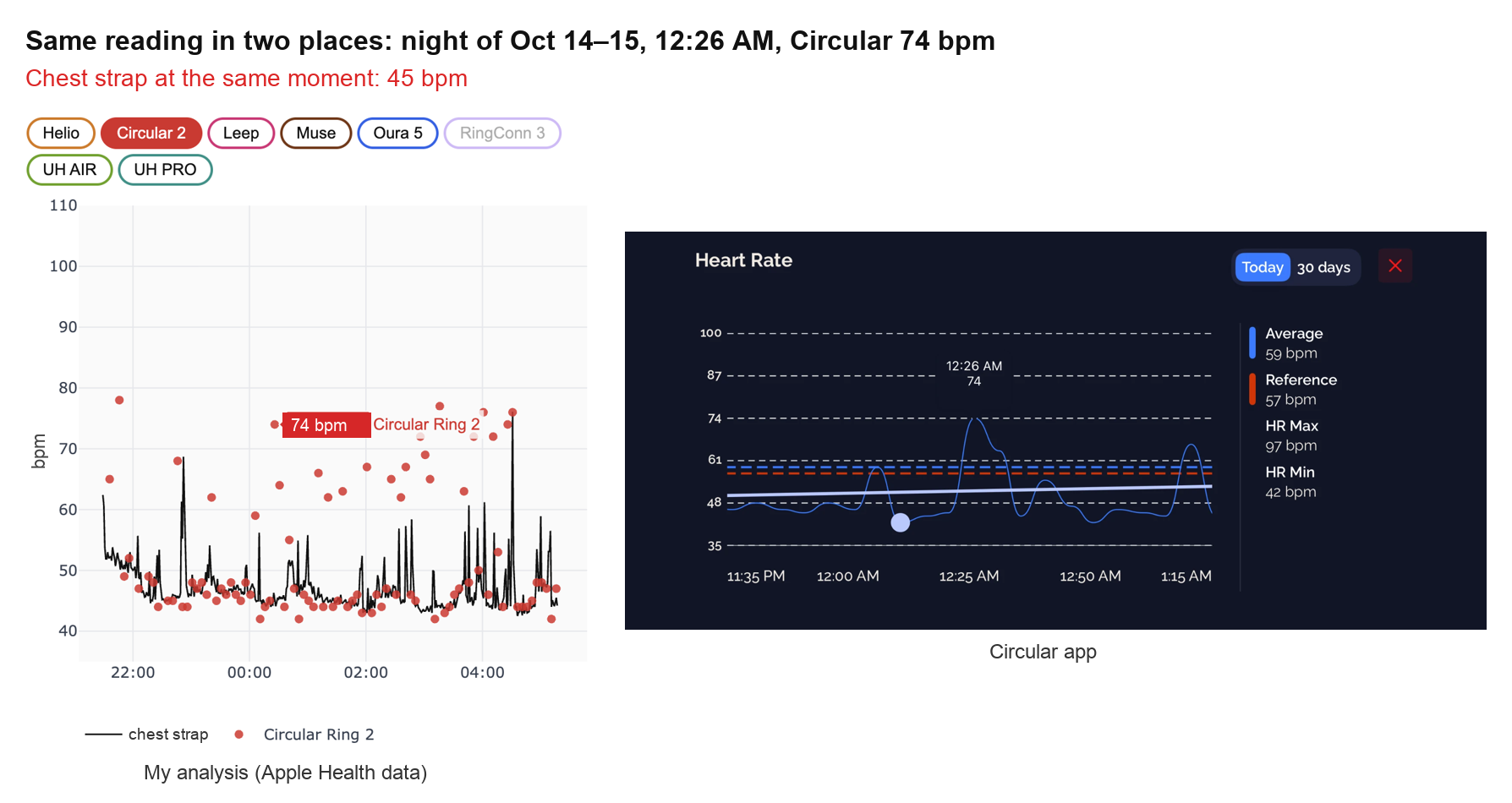
Am I the one making the mistake? I double-checked. Here’s a night in my analysis (Apple Health data): 74 bpm. In the Circular app? Also 74. The chest strap at the same moment: 45.
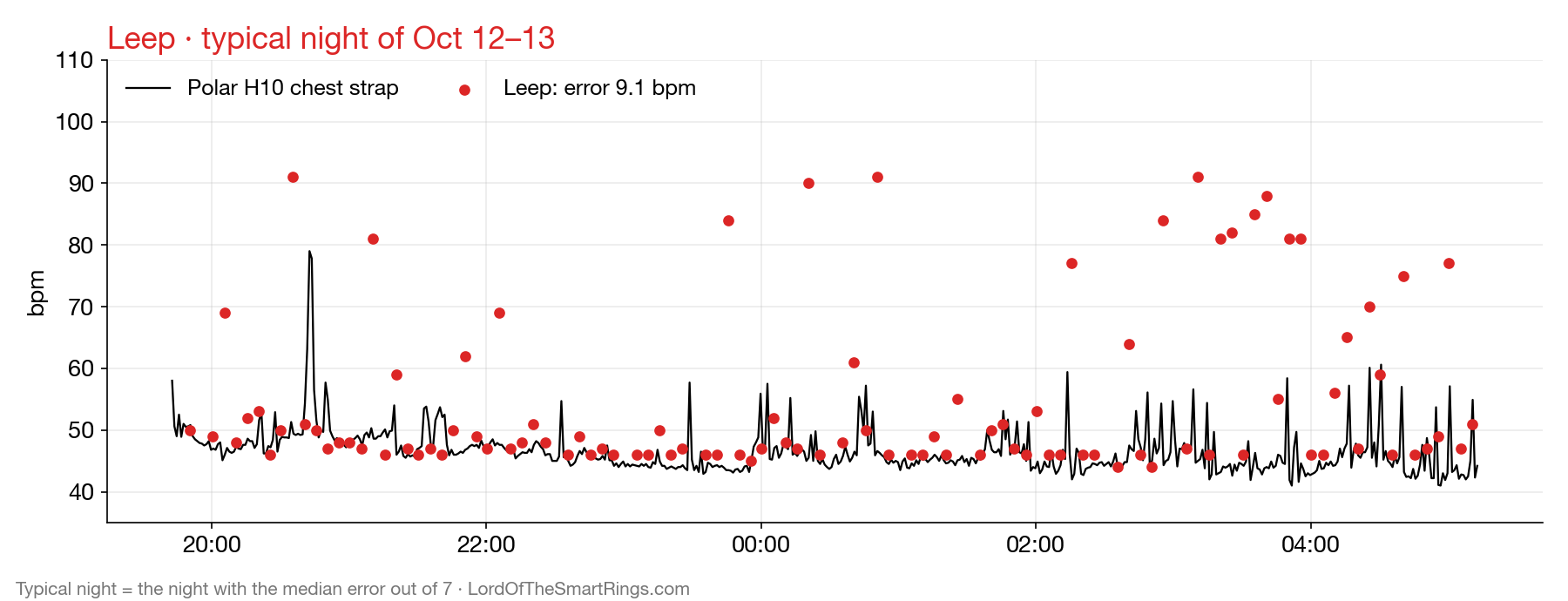
Leep: 19% of readings overshoot by more than 10 beats, often straight up to 85–96 bpm while I was sleeping at 45. Nightly average +2.8 to +10.3 beats.
Muse Ring One: 42% of readings more than 10 beats above the strap — and on two nights, 66% and 72%. On its worst night, it claimed my heart was beating around 75 all night long. The strap said 47. (Muse Ring One unboxing.) And whole runs of its readings show exactly 94 bpm, as if it got stuck on that value.
Here’s the average night heart rate. If you’re wondering why Oura reads lower, it’s because it “misses” a lot of short episodes when heart rate rises in some sleep cycles — more in Oura vs chest strap.
✅ BUY: five rings that nailed the night
Now for the good news. These five rings handled the night, and I trust their numbers.
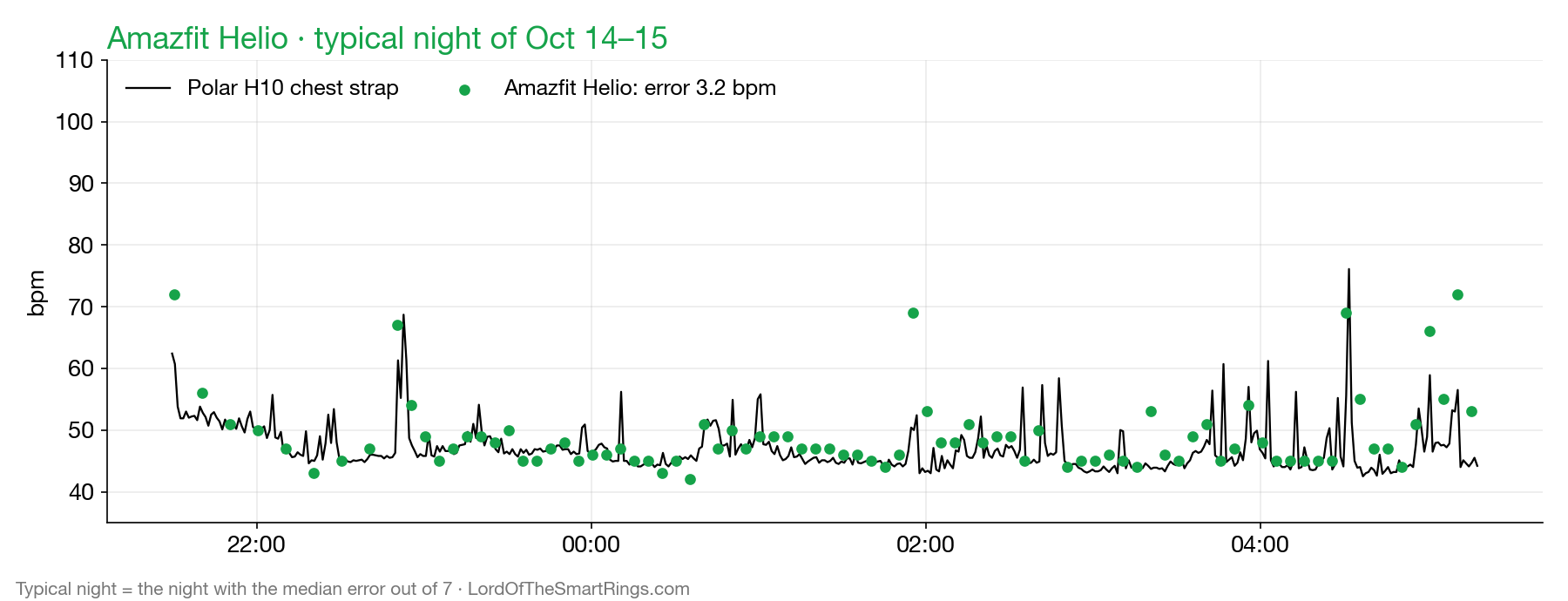
Amazfit Helio — overshoots once in a while, but doesn’t wreck the night. A few single readings fly off, but the nightly average stayed within 2.6 beats of the strap.
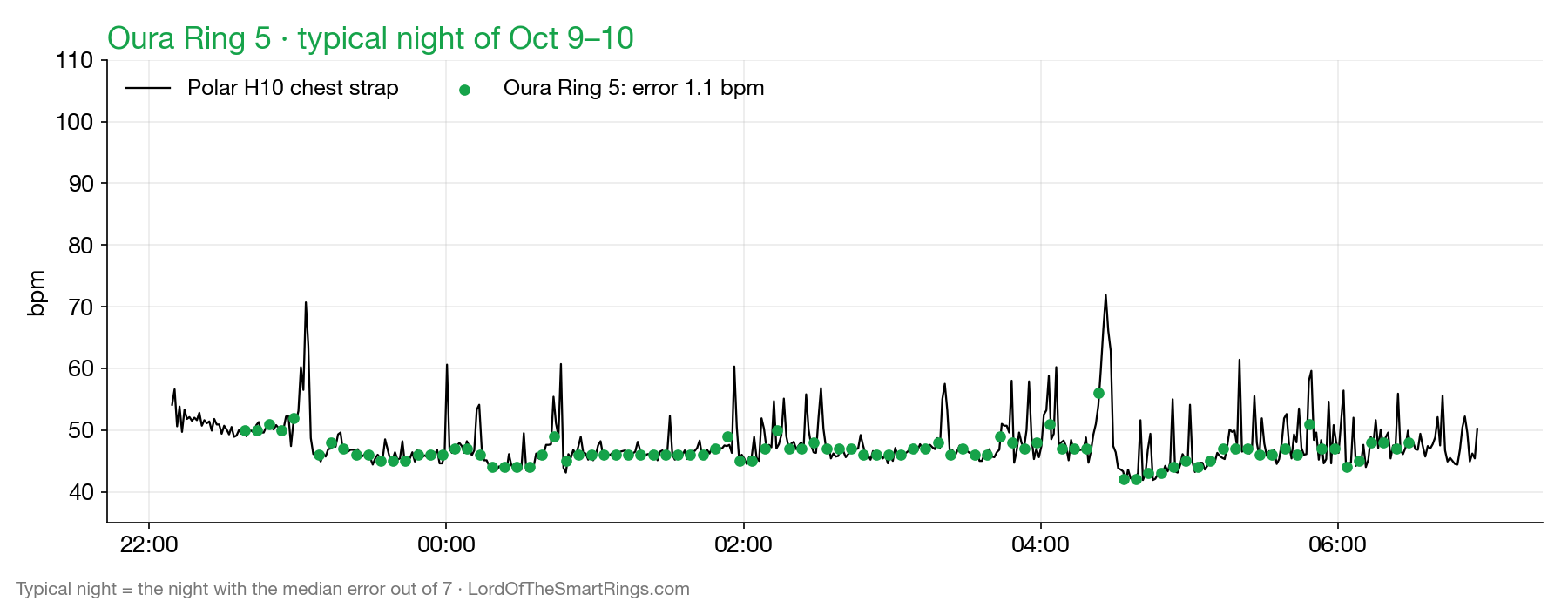
Oura Ring 5 — boringly reliable. Seven nights, not a single spike over 10 beats. Its one flaw: the nightly average is 0.9–1.2 beats lower than the strap. Every night. But it’s consistent, and you can live with that, because what really matters is the change from your own baseline. (How Oura compares with Whoop and Garmin over 637 nights is in Oura vs Whoop vs Garmin: Same Night, Opposite Advice.)
A note for Oura Ring 4 owners: the previous generation measures heart rate the same way, so this verdict applies to you too. I wore both generations at the same time and compared them in Oura 5 vs Oura 4: Parallel Test of the Measured Data. No need to upgrade for heart-rate accuracy.
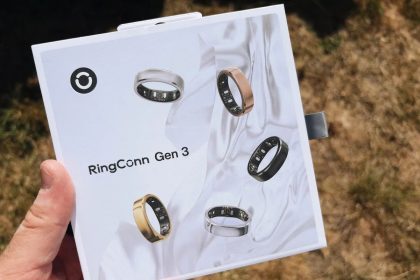
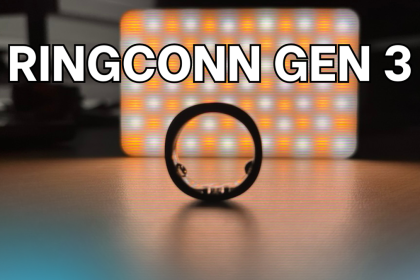
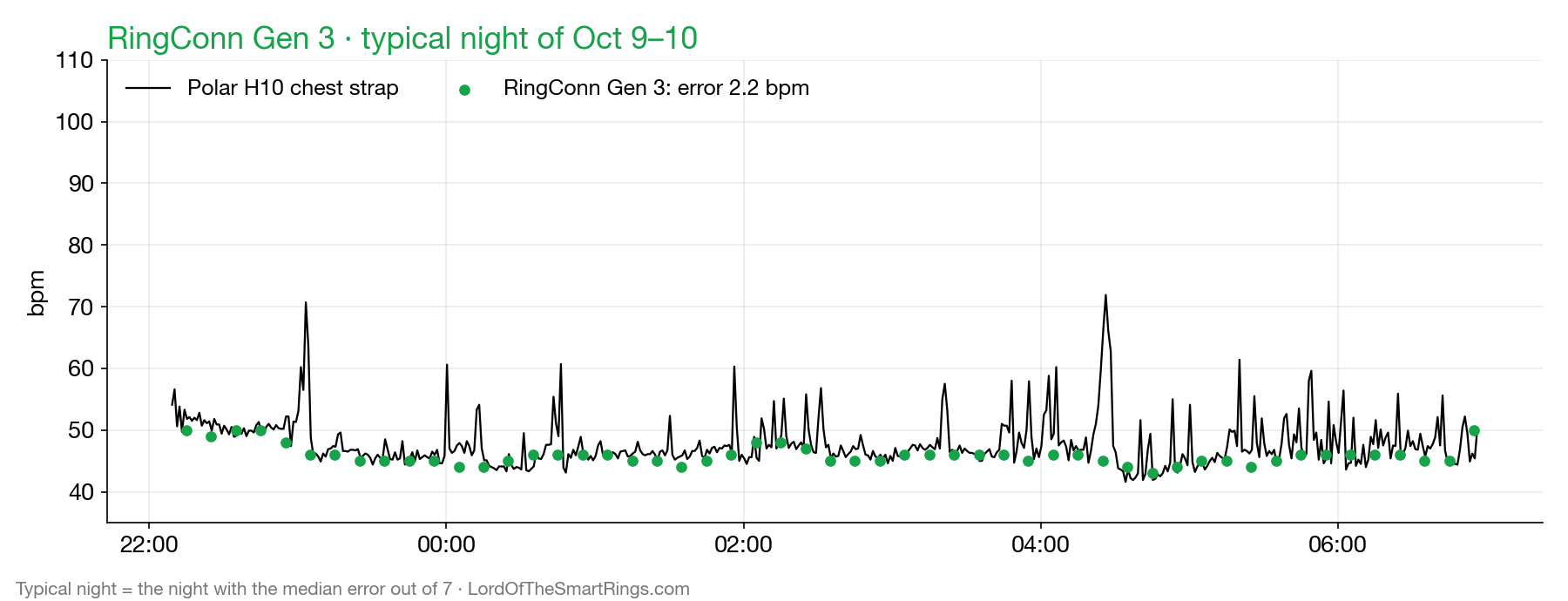
RingConn Gen 3 — measures less, but honestly. Only six values an hour, each covering ten minutes. And still not a single spike more than 10 beats up. Nightly average 1.6–2.0 beats below the strap, again rock-steady. (More in my RingConn Gen 3 review.)
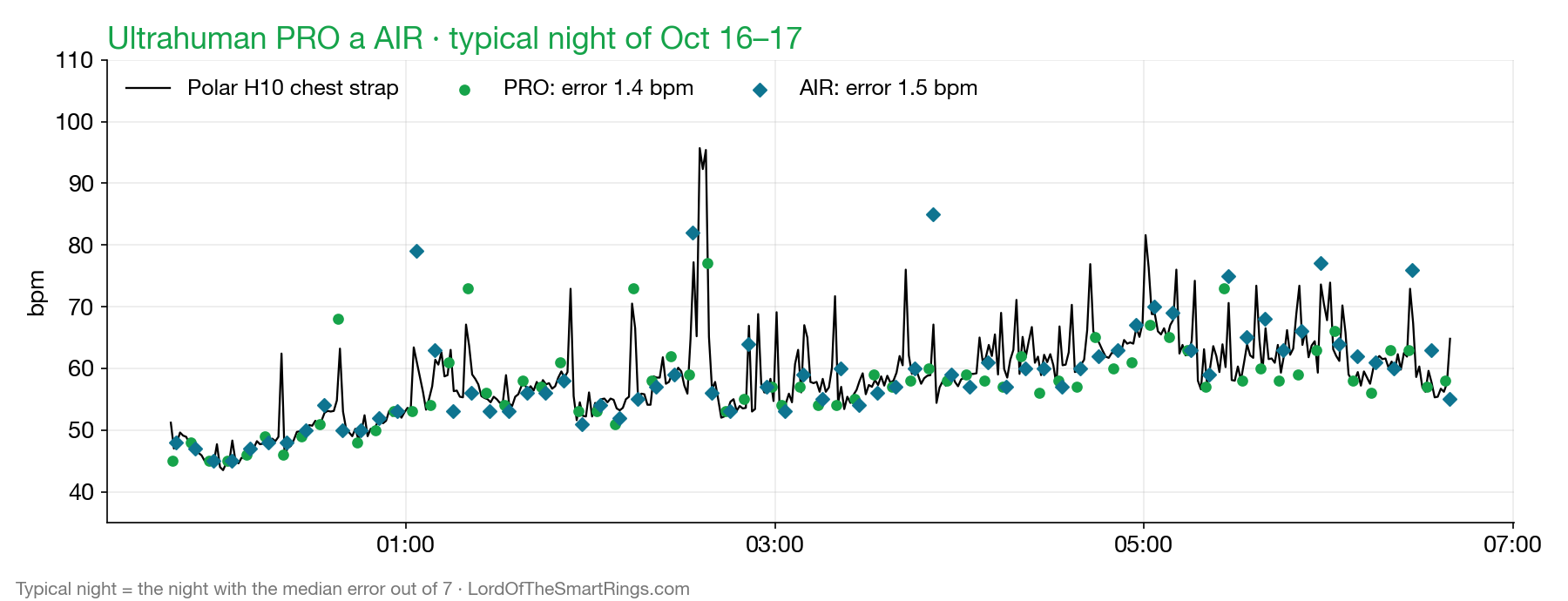
Ultrahuman Ring PRO and AIR — the reliable twins. For both, the nightly average lands within ±1.4 beats of the strap. Now and then a single reading flies off (2–3%), but the night as a whole is spot-on. And unlike Oura, they often catch some of the short heart-rate peaks too, which gives them a more accurate average.
Discounts on the podium rings: Oura Ring 5 – 10% off via lotsr.link/oura; Ultrahuman Ring PRO or AIR – 10% off via lotsr.link/ultrahuman or with the Ultrahuman discount code FITNESATOR10. All current offers: smart ring discount codes.
🤯 Measuring more often doesn’t mean measuring better
And now, surprise number two. Remember the frequency chart? Muse logs heart rate the most often — as often as every two minutes. And it finished dead last. RingConn logs only once every ten minutes — and not a single spike upwards.
Measuring more often doesn’t help if the ring can’t tell which readings are bad. RingConn logs one value per ten minutes, which naturally smooths out the noise. Oura and Ultrahuman seem to throw out the low-quality stretches (which is why Oura’s night data sometimes has gaps). Muse, Circular and Leep keep everything. It’s like taking a photo every two minutes… and keeping all the blurry ones in your album.
🔄 Is this the final verdict? Nope.
I want to be fair: this is the state of things as of October 2026, on the firmware these rings had at the time. It’s not a life sentence. Firmware can change accuracy a lot — I’ve seen it first-hand.
So if Circular, Muse or Leep ship a fix, I’ll happily put them back under the strap and update this article. Until then, the rule is simple: you’re buying the ring as it is today, not as it might be someday.
🧠 What to take away if you already own a ring
- Check your night heart-rate chart. If, in the middle of the night, you see regular spikes to 70–100 bpm while everything around them sits at about 50, that’s most likely a measurement error, not a nightmare. Although it might be a nightmare for whoever paid hundreds of dollars for that ring…
- Watch the trend, not one number. Even a good ring gets single readings wrong. That’s why you look at weeks, not one morning.
- Update your firmware. I’ve seen it make the difference between “way off” and “spot-on”.